
How to File a Police Report After a Crash
If you’re trying to figure out how to file a police report for car accident after the dust settles, you may already be getting questions from insurance or doctors while still wondering which department—or even which state—handled the crash.
Maybe the wreck happened near a state line or on a long road trip, different people are pointing you to city police or highway patrol, and online portals keep asking for a report number you don’t have.
This guide walks through clear, real‑world steps to decide where the crash should be reported, figure out which agency covers that stretch of road, file or confirm the police report, and then get a copy of the official crash report without spending days on hold.
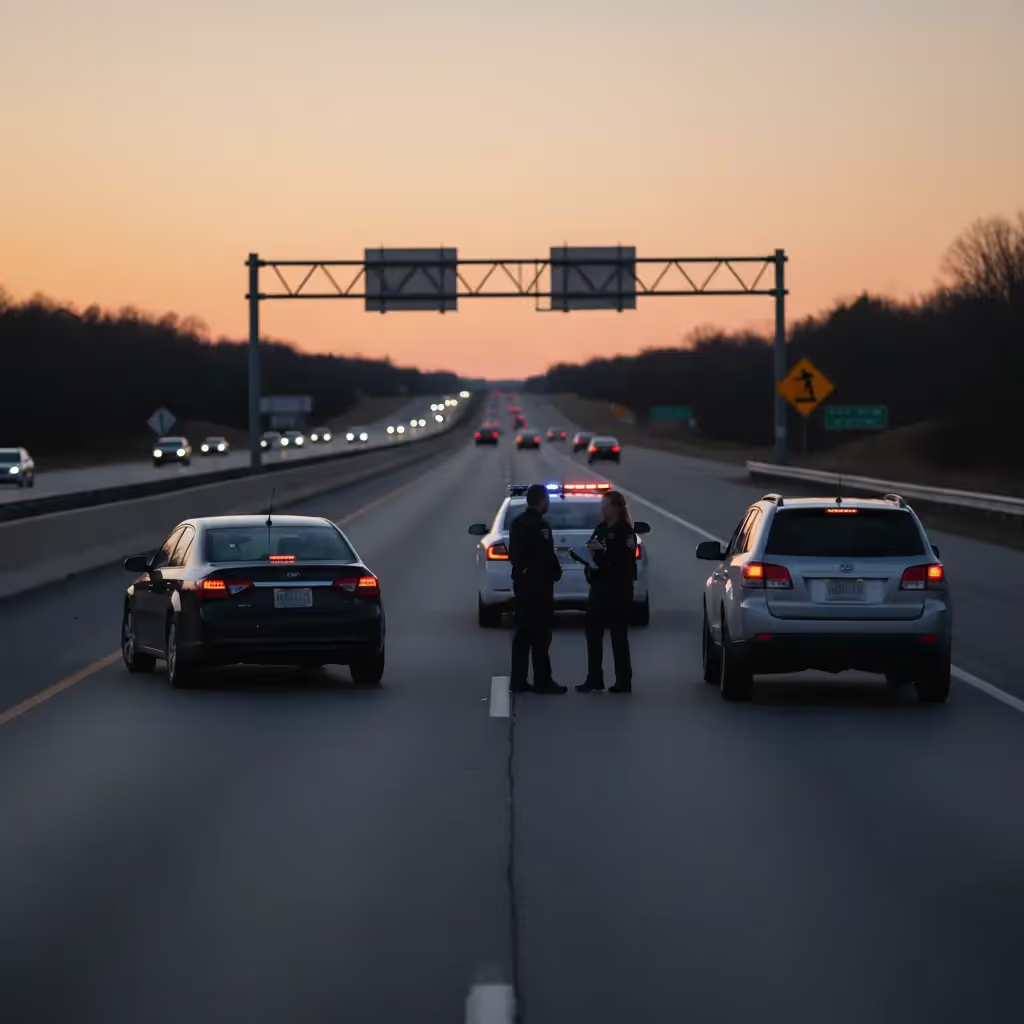
A wide-angle view of a minor crash on a highway shoulder, similar to the kind of accident that leads to a police report.
TL;DR: Quick steps when you’re not sure who has your report
- Report the crash in the state where it happened, not where you live.
- Figure out the exact spot: city, county, highway number, exit, or mile marker.
- Call the local non‑emergency number to find out whether a report already exists or you should file a delayed or “walk‑in” report.
- Follow any instructions for state driver/DMV crash forms, if they apply.
- Once the report exists, request a copy directly or use a service like AccidentReportHelp.com to track it down for you.
For background on report deadlines by state, see our Accident Report Laws guide on our blog.
Step 1: Make sure you’re reporting the crash in the right place
If the crash just happened
If you’re still at the scene and anyone might be hurt, call 911. Tell the dispatcher exactly where you are—nearby cross streets, highway number, exit, or mile marker—and let them figure out which agency should respond. They may send city police, a county deputy, or state patrol, depending on the location.
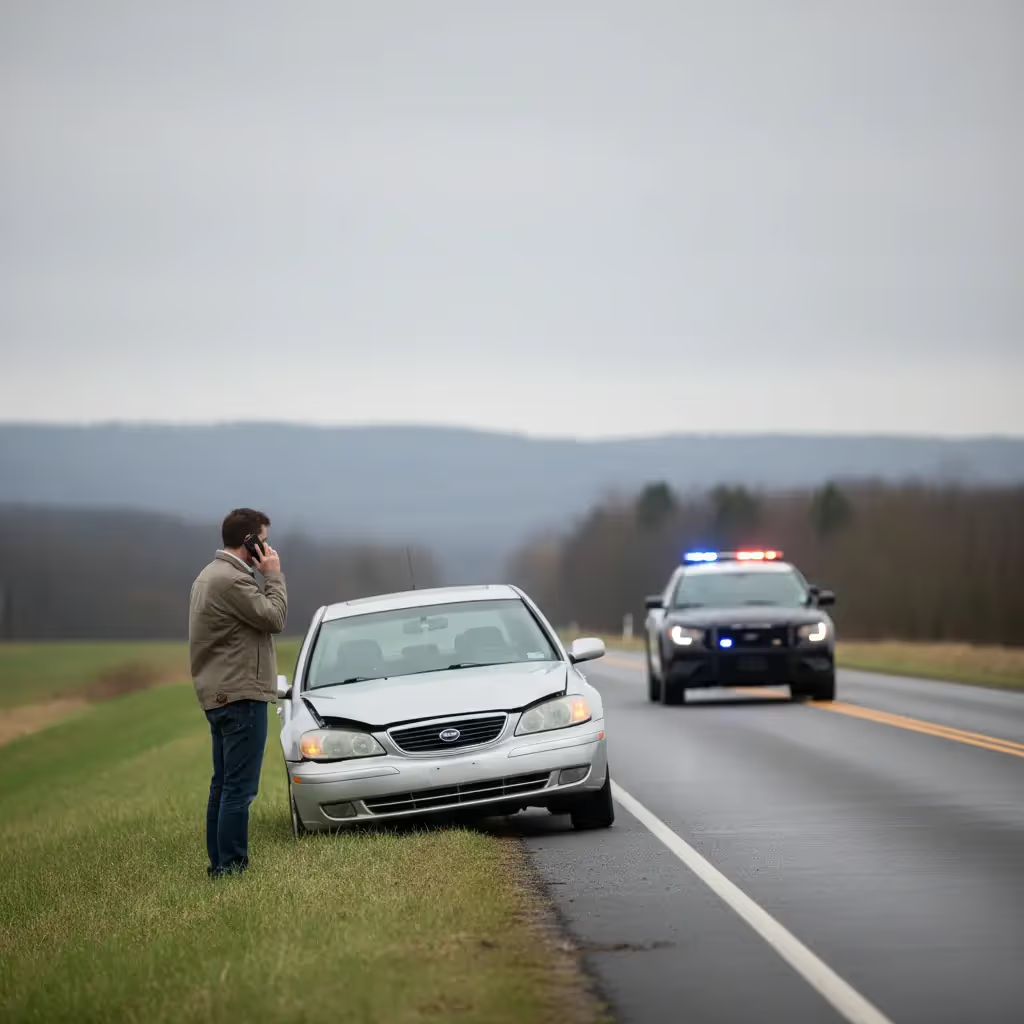
Calling from the scene helps dispatch send the right agency to document the crash.
Once an officer responds, they usually create the official police accident report. Before you leave, ask for:
- The agency name (for example, “Springfield Police Department” or “State Highway Patrol”).
- The report, case, or incident number.
- Roughly when the report should be ready.
Those few details can save hours later when you, your insurer, or a report‑retrieval service like the one at AccidentReportHelp.com goes looking for the file.
If hours or days have passed
Maybe you went home, focused on medical care, and only later realized no officer ever came—or you never got a report number. In most states, you can still report the crash after the fact or file written driver paperwork if certain damage or injury thresholds are met.
The key is to talk with an agency that actually covers the place where the crash occurred. First, confirm which state the crash was in.
Which state do you file a police report in after a car accident?
You generally report the crash—and request the police report—from the state where the collision happened, not the state where you live or where your car is registered.
A few quick ways to confirm the state if the crash was near a border:
- Open your map app and drop a pin at the spot you remember stopping.
- Check toll statements, gas receipts, or hotel confirmations for city and state names.
- Look back at photos or videos from that day; GPS tags often show the location.
Once you know which state, you can use that state’s DMV or Department of Public Safety website to double‑check any reporting rules. For example, California’s DMV explains when drivers must file an SR‑1 accident report after a crash on its official accident reporting page.
Step 2: Figure out which police agency covers the location
City police vs. sheriff vs. state police/highway patrol
Once you’ve pinned down the spot, you can usually narrow the likely agency to one of three:
- Inside city limits: usually the city or town police department.
- Rural roads outside a city: often the county sheriff’s office.
- Interstates and major state highways: typically state police or highway patrol.
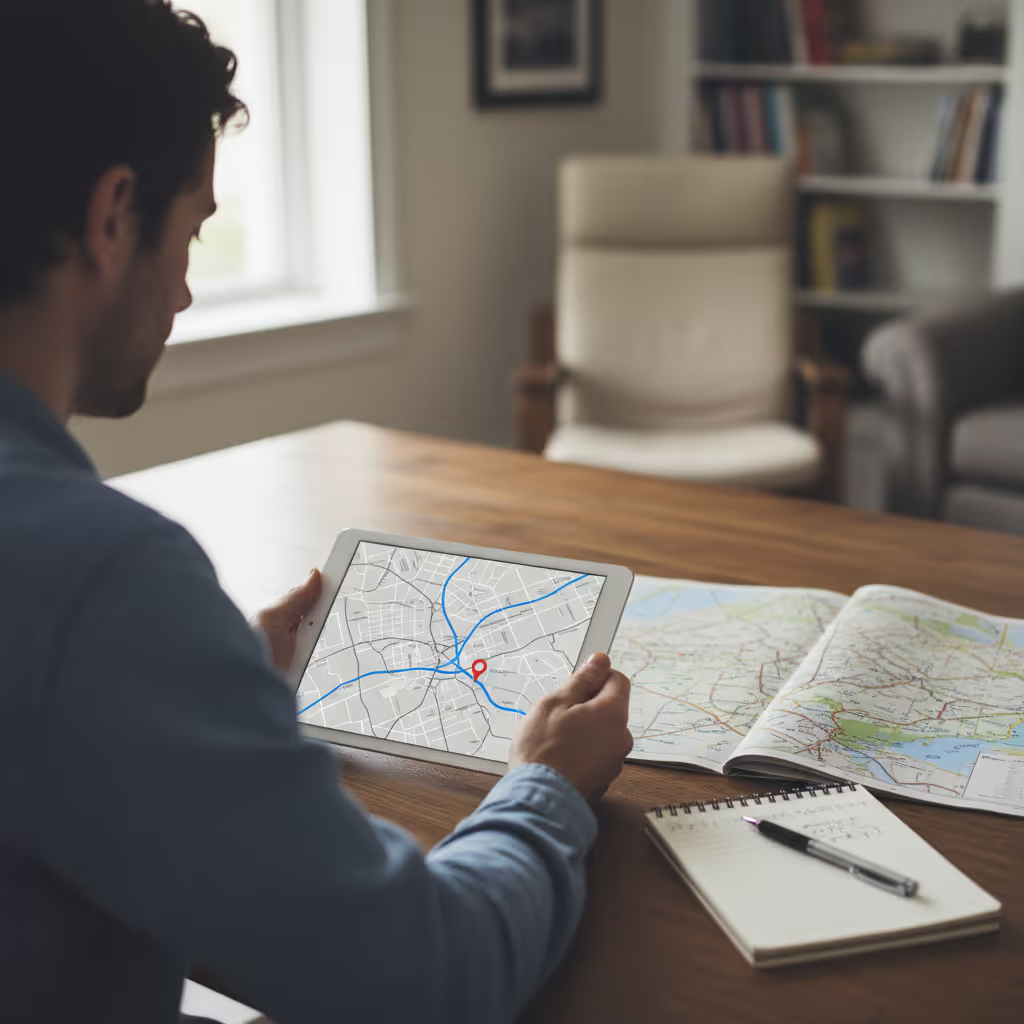
Looking back at maps and notes can help you narrow down which agency likely handled your accident.
If you’re not sure, call the local non‑emergency line for your best‑guess city or county (search “[nearest town] police non‑emergency”) and ask which agency handles that exact stretch of road. Even if you reached the wrong office, dispatchers or records staff can usually redirect you.
When you honestly don’t know what state you were in
Long highway drives and late‑night trips can blur together. You might later realize the crash was just past a state line, on a highway patrolled by a different agency, or across a city or county line you didn’t notice.
Start with your best guess and call that area’s non‑emergency number or records office. If they don’t find anything, ask whether a neighboring city, county, or state police or highway‑patrol agency covers that stretch of road. This “work outward in circles” approach is similar to what we describe in our out‑of‑state police report guide.
Clues that help pinpoint the right agency
When you call, have as many of these details ready as you can:
- Date and approximate time of the crash (or a 2–3 day window if you’re unsure).
- Closest city or town and the county, if you know it.
- Road name or highway number, plus the nearest exit or mile marker.
- Your full name and date of birth.
- License plates (or at least the state and partial plate) for vehicles involved.
Records staff can often search their system by a combination of date, time, and name, then tell you whether a crash report was taken and which agency wrote it.
Step 3: File or confirm the police report
What to say when you call the non‑emergency line
When you reach the right agency, explain whether you need to file a report now for a past crash or confirm details about a report an officer already wrote. You can say:
“I was involved in a car accident on [date/time] at [location]. I’m trying to find out whether an officer’s crash report exists and, if not, how I can file one now.”
Filing a delayed or “walk‑in” police report after a car accident
Many departments accept delayed crash reports in person, over the phone, or through an online portal—especially for property‑damage‑only collisions. A few will redirect you to a state crash form instead of taking a full report themselves.
Common options:
- Go to the station and complete a counter report with an officer or clerk.
- Use an online “report a crash” or “file accident report” portal, if offered.
- Fill out a driver/DMV crash form the state requires for certain injuries or damage levels.
For example, Texas transportation officials explain when officers must submit a CR‑3 crash report and how drivers can obtain copies on the state’s official crash reports and records page. Other states publish similar guidance through their DMV or highway‑patrol sites.
If you’re unsure whether you still can file a late report, our late police report guide covers typical timelines and exceptions.
What if no officer ever came?
If dispatch never sent an officer—maybe both drivers thought it was “minor” at the time—the agency might not have a traditional police crash report on file. Instead, your options often look like this:
- File a delayed report through the police department if they allow walk‑in or online crash reports.
- Submit any state‑required driver or DMV form if injury or damage meets the threshold.
- Document everything yourself with photos, repair estimates, and medical records.
Our no‑police‑report guide explains how to keep a claim on track when formal paperwork is limited.
Step 4: Get a copy of the crash report, even from another state
Online portals, mail‑in forms, and in‑person requests
Once you know an officer’s report exists—or you file one yourself—the next step is getting a copy for insurance, medical providers, or your own records. Across states, you’ll usually see three paths:
- Online portals: search by name, date, location, or report number and pay by card.
- Mail or email: send a written request with payment to the records unit.
- In person: visit the station during business hours, which can be hard if you live far away.
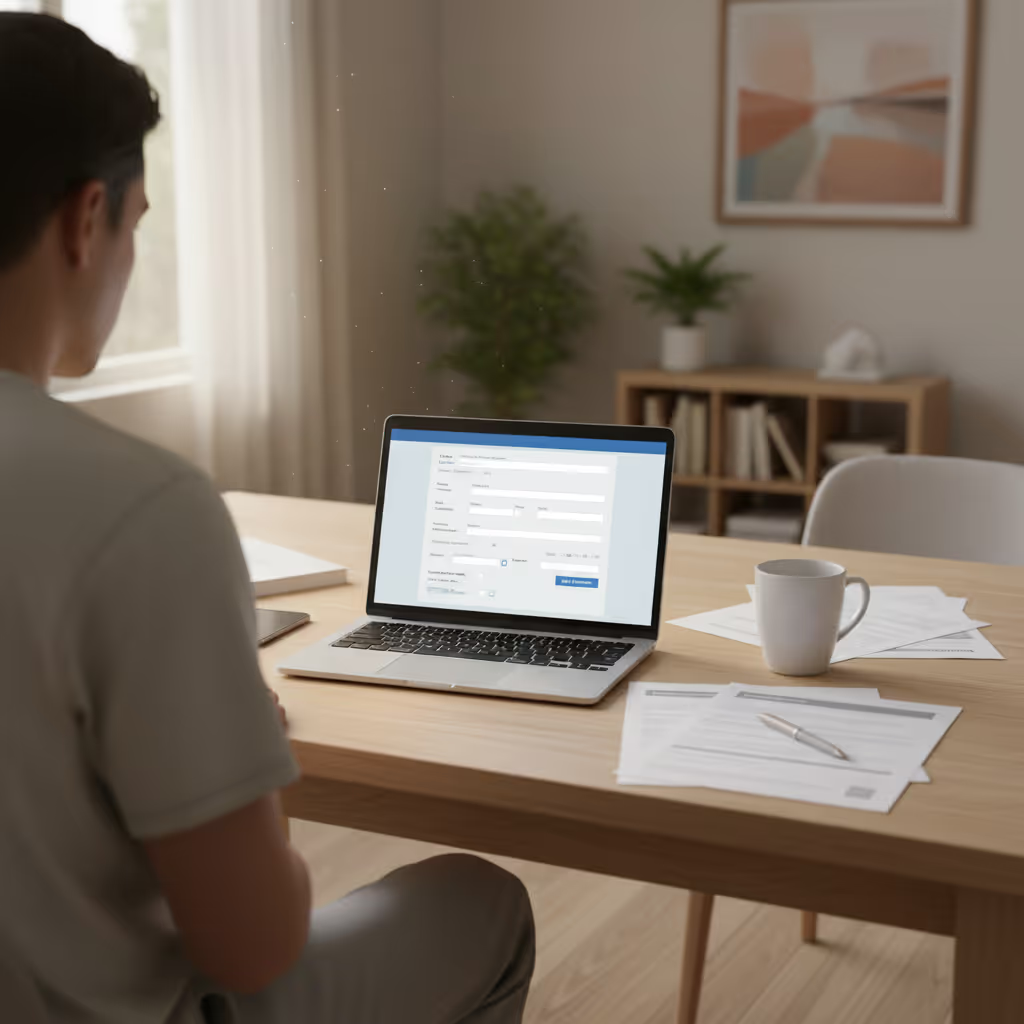
Many drivers now request police accident reports online from home, even for out‑of‑state crashes.
Fees are generally modest—often $5–$25—and many agencies release routine reports within about a week. Serious‑injury or fatal crashes often take longer.
Can you get a police report for a car accident in another state?
Yes, in most situations. States usually let involved drivers, passengers, vehicle owners, and their representatives request crash reports regardless of where they live, as long as they qualify under that state’s public‑records rules.
National Highway Traffic Safety Administration data shows millions of police‑reported crashes each year, so each state sets its own systems and eligibility rules for accessing reports. You can review national trends in NHTSA’s Traffic Safety Facts 2023 report.
If you don’t have a report number yet, our report lookup guide explains how to search using names, dates, and locations instead.
Letting a dedicated service track it down for you
If you’re juggling work, medical visits, or family care, hunting through unfamiliar state portals is the last thing you need. Services like AccidentReportHelp.com focus on this one job:
- You submit a short online form with what you remember—date, location, names, and how you’re connected to the crash.
- A specialist identifies the correct agency, submits the request using that agency’s preferred process, and tracks it until it’s released.
- You receive a certified PDF copy by email once the agency makes it available, subject to the agency’s timing and rules.
You pay only the official fee charged by the agency. If the report truly cannot be released—for example, it never existed or is restricted—reputable services do not charge for it.
Special situations & FAQs about filing a police report for a car accident
What if the crash involved a hit‑and‑run or suspected DUI?
In crashes with hit‑and‑run drivers or potential criminal charges, reports may be held longer or partly redacted before release. You may still be allowed to file a report or request a copy, but the agency can limit what is shared with the general public while the case is active.
Can I file a police report days after a car accident?
Often, yes—especially if the main issue is adding your statement to the record or completing a driver crash form. States handle “late” differently, though, so you’ll want to ask:
- Whether your state allows delayed or counter reports.
- Whether any DMV or driver crash forms still need to be filed.
- Whether late filing could carry a ticket or notation on the report.
Our late police report guide walks through common 24‑hour, 72‑hour, and 10‑day windows and what they usually cover.
Do I still need to tell my insurance company if I file later?
Yes. Insurance policies usually expect you to report a loss within a “reasonable time.” A late police report does not automatically kill a claim, but it can make proof harder. Adjusters lean on police or DMV reports to confirm who was involved, how the crash happened, and when injuries were first documented.
The Insurance Information Institute has a clear overview of what to share with your insurer after a collision on its post‑accident checklist.
What if there ends up being no police report at all?
Some minor crashes never generate a formal police crash report. That doesn’t erase what happened, but you’ll lean more heavily on:
- Photos and videos from the scene.
- Repair estimates and medical records.
- Written timelines and contact information for any witnesses.
If you want to confirm that no report exists—or see whether a different agency quietly filed one later—a report‑retrieval service can search the likely departments for you. You can read more about that process in our no‑police‑report guide.
How Accident Report Help takes the guesswork out
After a crash, tracking down the right agency and filing or requesting reports can feel like a second job. AccidentReportHelp.com focuses on one thing: helping drivers, passengers, and their representatives request official police accident reports from the correct law‑enforcement or state agency in any U.S. state.
Our team:
- Zeroes in on which city, county, or state agency is likely to hold your report.
- Uses that agency’s preferred portal, mail‑in form, or process to submit the request.
- Monitors status and follows up if a request is delayed or mis‑routed.
- Delivers a certified PDF copy by email once the agency releases it.
AccidentReportHelp.com is a private accident‑report retrieval service. We do not issue or control government records and are not a law firm or a government agency. We simply handle the legwork of figuring out who has your report and how to request it under that agency’s rules.
If you’d rather not chase phone numbers and portals yourself, you can start a request anytime through the Find My Report form on our home page.
Key takeaways
- You report the crash—and request the police report—through the state where the collision happened.
- When you’re not sure which department handled it, start with the exact location and work outward: city police, county sheriff, then state police or highway patrol.
- Many departments accept delayed or walk‑in reports, and states often require separate driver/DMV crash forms for certain injuries or damage levels.
- Even for out‑of‑state crashes, you can usually request a copy remotely through an agency portal, mail‑in form, or a retrieval service.
- If you’re overwhelmed, a dedicated accident‑report service can identify the right agency, submit the request correctly, and send the official report to your inbox.
Disclaimer
This article is for general information only and is not legal, insurance, or medical advice. Crash‑reporting rules and deadlines vary by state. For advice about your specific situation, talk with a licensed attorney or other qualified professional in the state where your accident happened.