
Report a Crash Out of State: Get the Right Police Report
For general information only. This article is not legal, insurance, or medical advice. Laws differ by state; talk with a licensed professional about your specific situation.
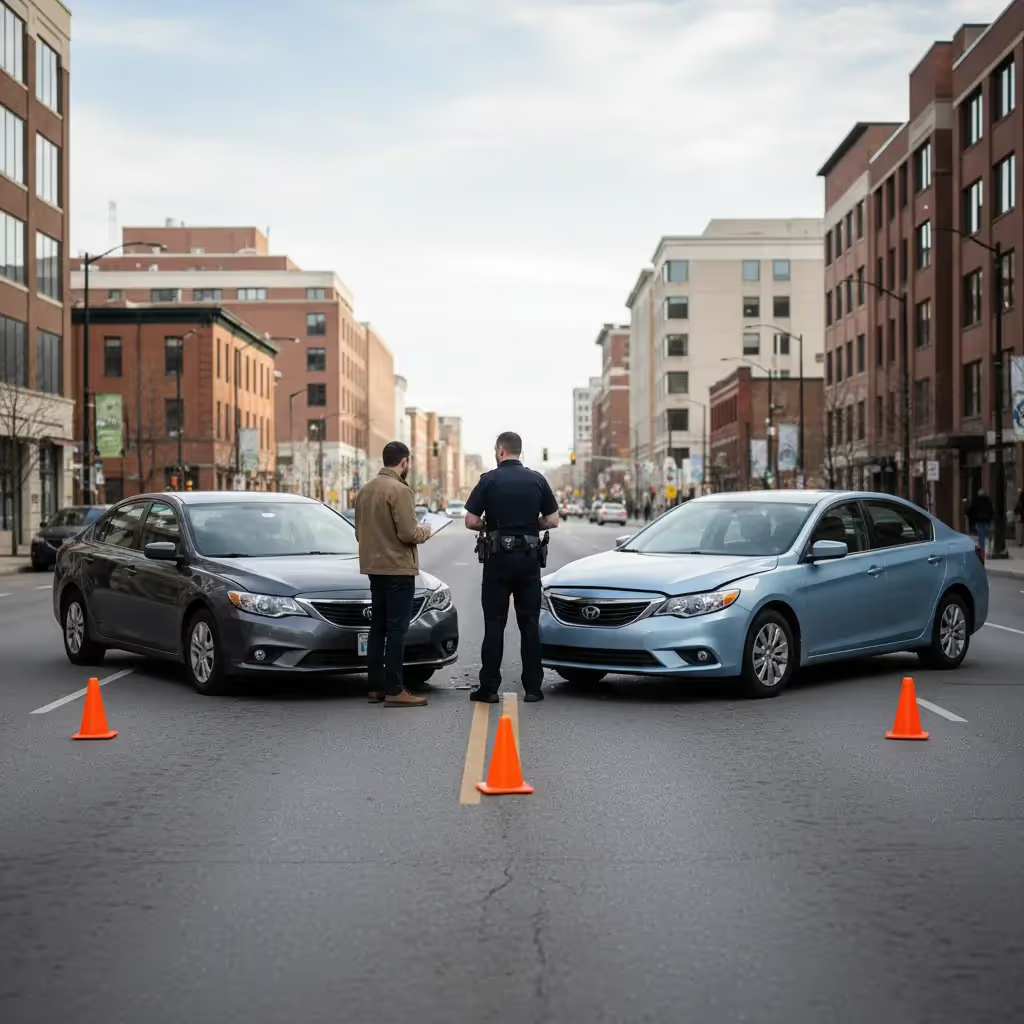
A calm, documented crash scene helps make later reporting and insurance claims smoother.
TL;DR: Quick steps if you were just in a crash
- Call 911 from the scene for any injury, hit-and-run, or serious damage.
- Ask the officer for the incident or report number before you leave.
- If no officer responds, check if your state requires a written crash report to police or the DMV.
- Out of state? You report the wreck to the state where it happened, not where you live.
- Use the Find My Report tool on AccidentReportHelp.com to track down the correct police report without wrestling with government portals.
The minutes after a wreck are a blur. Your heart is racing, people are asking questions, and somewhere in the mix you’re wondering who to call, what to say, and how you’ll ever track down the official police report later.
This guide walks through what to do at the scene, how out-of-state crashes work, and how to request the correct crash report without spending your weekend clicking through city, county, and state websites.
“You report the crash where it happened, but you can request the police report from anywhere.”
When do you actually need to report a car crash?
Every state has its own traffic laws, but they line up on one big idea: serious wrecks should be reported to law enforcement right away. The gray area is what counts as “serious.”
Police vs. DMV vs. insurance: different “reports”
People often mean three different things when they talk about “reporting” a crash:
- Calling police or 911 so an officer comes to the scene and writes a crash report.
- Filing a written crash form with your state’s DMV or highway safety office.
- Notifying your insurance company so a claim file is opened.
Those are three separate steps, and you may have to do all of them depending on injuries, damage, and where you live. The National Highway Traffic Safety Administration (NHTSA) publishes state-by-state safety information, and this state crash reporting rules overview shows common reporting thresholds and deadlines by state.
Simple rule of thumb for calling 911
When in doubt, call 911 from the scene. You should call right away if:
- Anyone might be hurt (even if injuries look minor at first).
- You suspect alcohol or drug use by any driver.
- It’s a hit-and-run or uninsured driver situation.
- Vehicles can’t be driven or are blocking traffic.
- There’s major property damage or a dispute about what happened.
In many states, failing to report these kinds of crashes can lead to tickets or license issues. Even when it’s not legally required, having an official report usually makes insurance claims smoother.
Step-by-step: reporting the crash at the scene
If you’re still at the scene, here’s how to handle the reporting side while you’re there.
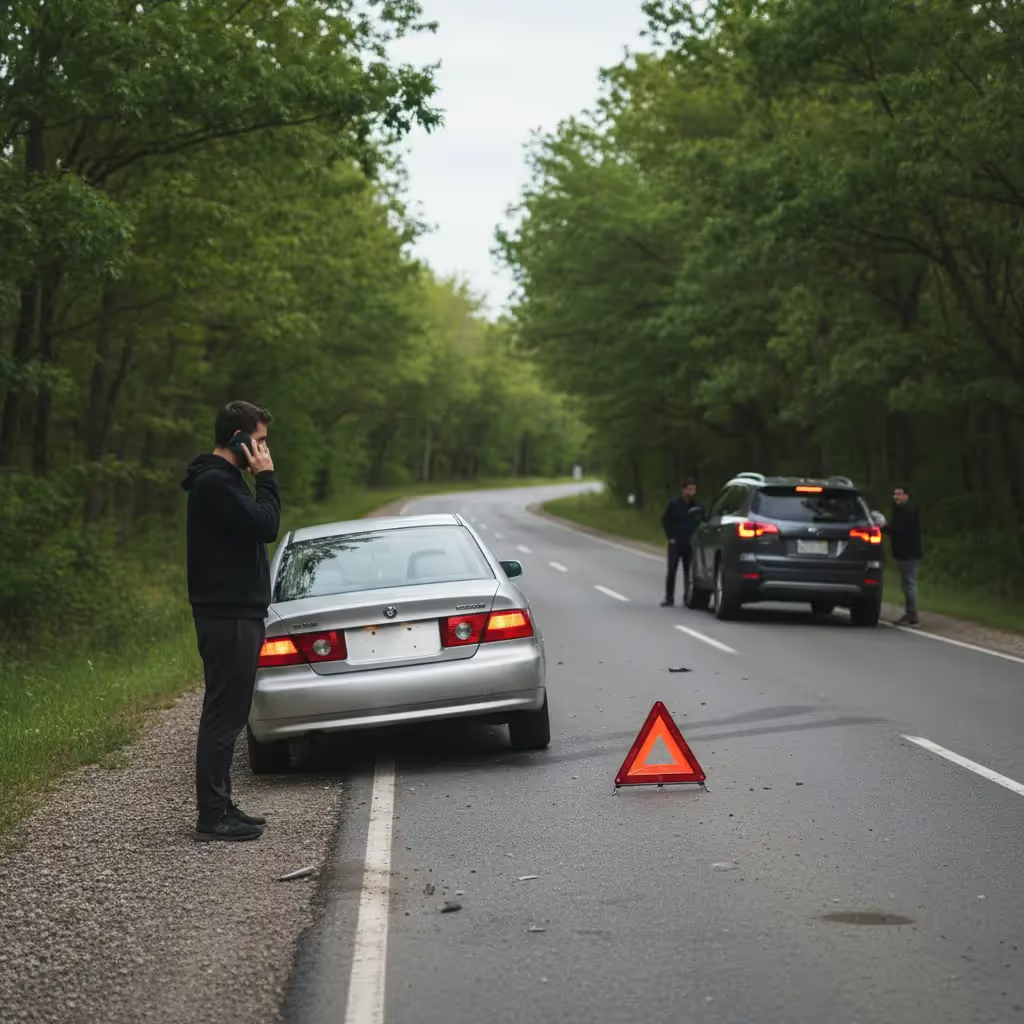
Move to a safe spot off the road before calling 911 or the non-emergency number.
1. Move to safety and call 911
Get people and vehicles out of live traffic if you can do that safely. Then call 911 (or the local emergency number if you’re outside the U.S.). Tell the dispatcher:
- Exactly where you are (highway, mile marker, exit, nearby business, or intersection).
- Whether anyone is hurt or complaining of pain.
- How many vehicles are involved?
The dispatcher decides which agency responds (city police, county sheriff, or state troopers), which matters later when you request the report.
2. Share only the basics with dispatch
On the phone, stick to facts: location, vehicles, obvious injuries, and safety hazards. Save your full description of what happened for the officer who responds and for your insurance company later.
3. What to tell the responding officer
When an officer arrives, they’ll gather:
- Your driver’s license and current address.
- Registration and insurance for each vehicle.
- Statements from drivers, passengers, and any witnesses.
Keep your story clear and consistent, and if you don’t know an answer—or you’re in pain—say so instead of guessing.
4. Get the report number before you leave
Before everyone drives off or tow trucks pull away, ask the officer:
- “What agency will hold the report?” (City police, county sheriff, state police, highway patrol).
- “What is the incident or report number?”
- “Roughly when will the report be ready?”
Snap a quick photo of the officer’s business card or the report slip; that tiny detail can save hours later when you or a service such as AccidentReportHelp.com goes to pull the official report.
How to report an out-of-state crash once you’re home
If you live in one state but were hit while traveling in another, you still have to report the crash and get the police report through the state where it happened.

You can report and request crash records from home, even when the wreck happened in another state.
How do I report a car crash that happened in another state?
You report the wreck to the state where it happened. If the crash was in Florida, that means working with Florida agencies, not your home state.
- The responding agency might be a city police department, a county sheriff’s office, or the state highway patrol.
- If no officer responded, you may need to file a written crash report with that state’s DMV or equivalent agency.
Many states now let you submit non-emergency crash forms online. One example is the SR-1 accident report used by the California DMV.
If you didn’t get an incident number at the scene, start with the local police or sheriff’s office where the crash happened, then the state highway patrol if it was on a highway, and finally that state’s DMV or Department of Public Safety to see if a self-report form is required.
This is also where people get stuck hopping between agencies and websites. Our state-by-state report guide breaks down which agencies typically hold crash reports, and the Find My Report form lets you hand off that detective work to a human team.
Getting the right police report the first time
The hardest part is rarely paying for a report. It’s figuring out which agency has it and giving them enough detail so they can find the right file.
Key details officers and records clerks need
Whether you’re calling a records office yourself or filling out the Accident Report Helprequest form, having these on hand can speed things up:
- Exact date and approximate time of the crash.
- City, county, and state where it happened.
- The road or intersection (and direction of travel, if you remember).
- Your full legal name and date of birth.
- License plate numbers for vehicles involved, if known.
- Incident or report number, if an officer gave you one.
Think of the records clerk or automated system like someone searching a huge filing cabinet. The more precise your details, the faster they can pull the right folder.
Why do so many people end up with no report or the wrong one
Highways often bounce between city limits and county lines, so a crash by one exit might be handled by city police, while the next exit over belongs to county deputies or state troopers. If you guess the wrong agency, you can spend days emailing and calling without progress.
That’s exactly the problem AccidentReportHelp.com was built to fix. You share your accident details once; our team identifies the correct law enforcement agency, submits the request using that agency’s process, tracks the status, and sends the certified report securely by email once it’s available. No logins for multiple portals, and no wondering if your request landed in the wrong inbox.
Curious how that works? The How It Works page walks through each step, including typical timelines and our money-back guarantee if the report cannot be released.
What if no officer came to the scene?
Sometimes dispatch decides not to send an officer—maybe the cars are drivable, traffic is light, and no one reports injuries. That doesn’t always mean you’re done reporting the crash.
Can you file a crash report online yourself?
In many states, drivers must submit a written crash report to the DMV or a state safety office when certain thresholds are met, such as:
- Injury, death, or property damage above a set dollar amount, especially if police did not respond or special vehicles (like government cars) are involved.
The dollar limits and deadlines change from state to state. A good starting point is your state’s DMV or Department of Public Safety website. Look for sections labeled “report an accident” or “traffic crash reports.”
Do you still tell your insurance company?
Yes, your insurer needs to know about the crash, even if you think you’ll “just pay out of pocket.” Unreported crashes can turn messy if injuries show up later or the other driver suddenly decides to file a claim.
The Insurance Information Institute has a useful checklist on what to share with your adjuster and how to document the scene for your claim.
If your insurance company asks for the police report and you don’t have one yet, you can submit details now and provide the report as soon as it’s ready. Many AccidentReportHelp.com users start their claim and then use our service to track down the official report for the adjuster.
Common questions about reporting a car crash
How long do I have to report a crash to police or the DMV?
Timelines depend on both the state and the type of report. Some places expect immediate reporting by phone for injury or hit-and-run crashes, plus a written form within a set number of days. Because the rules differ, the safest plan is simple: report the crash as soon as you can, while details are still fresh.
Can I get a police report if I was just a passenger?
In most states, yes. Passengers, vehicle owners, and sometimes even listed witnesses can request a copy, although certain personal information may be blacked out on what you receive. If you’re unsure whether you qualify, AccidentReportHelp.com can check the specific state rules once you send the basic crash details through the Find My Report form.
How much does a police crash report usually cost?
Agency fees are usually modest—often somewhere between about $5 and $25, depending on the jurisdiction and delivery method. Our service passes through that official fee, and if the agency will not release the report for any reason, we issue a refund under our published policies.
Is a police report the same as my insurance claim?
No. The police report is an official record created by law enforcement. Your insurance claim file is created by your insurer. Adjusters often rely heavily on the police report to understand fault, damage, and injuries, which is why getting the correct report matters so much.
You can read more about how we handle eligibility, fees, and refunds in our Frequently Asked Questions and Privacy Policy.
Simple checklist: Report, Record, Request
Here’s a quick framework you can screenshot or jot down for the glove box.
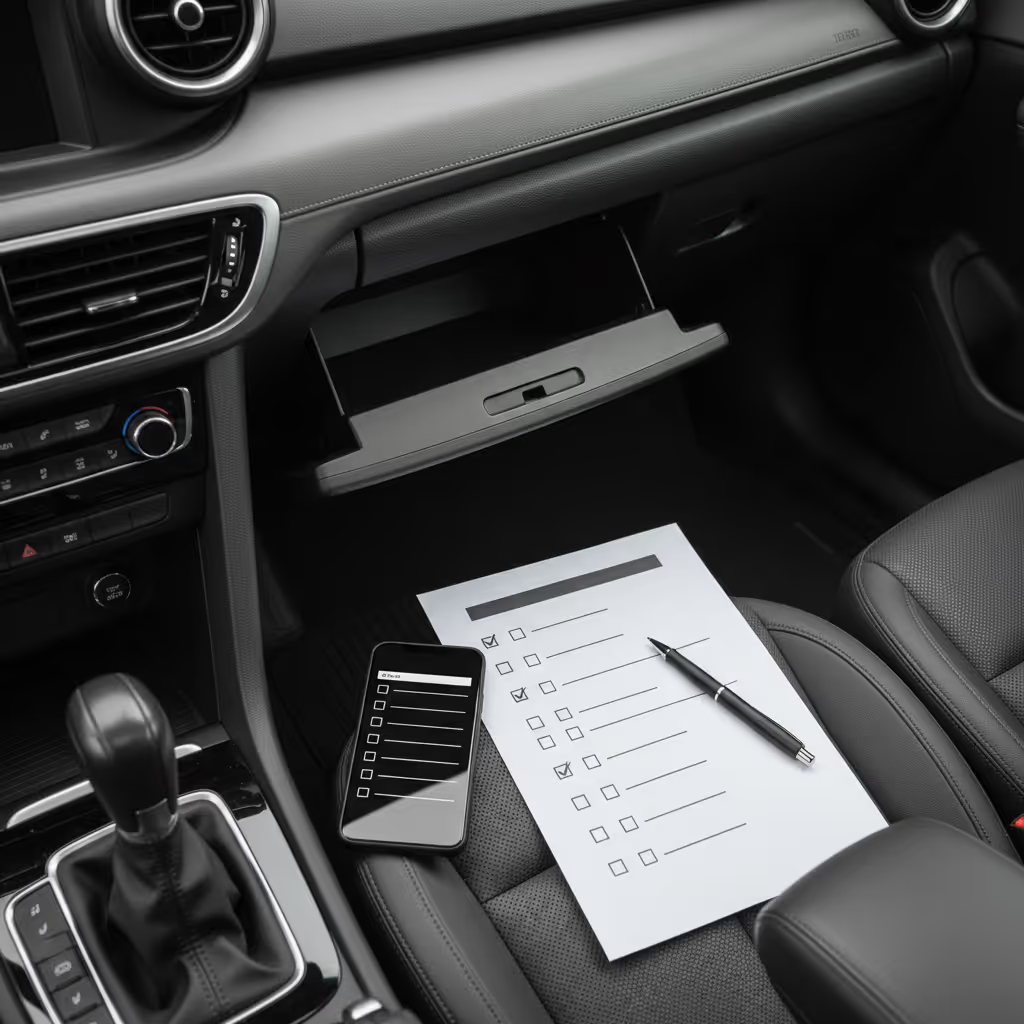
Keeping a simple crash checklist in your glove box can make a stressful moment much easier to manage.
1. Report
- Call 911 for any injury, hit-and-run, or major damage.
- Ask which agency will handle the crash and write the report.
- If no officer responds, check whether your state requires a self-report crash form.
2. Record
- Exchange information with all drivers (license, plate, insurance).
- Take photos of vehicles, the road, signs, and any visible injuries.
- Write down weather, lighting, and anything blocking your view.
3. Request
- Note the incident or report number before you leave the scene.
- Start your insurance claim and tell your doctor about any pain.
- Use Find My Report to request the official police report from the correct agency, even for out-of-state crashes.
One short form, one small agency fee, and our team handles the legwork so you can focus on recovery instead of refreshing government websites.