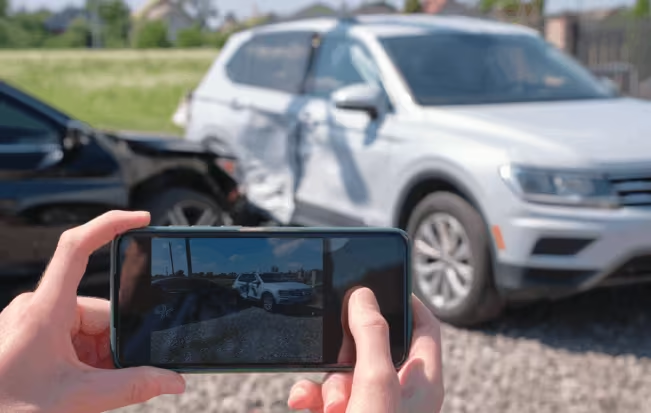
Company Vehicle Accident Lawyer Guide: Get the Right Police Report
When a worker is hit while driving a company car, the next few days can feel like a blur of emails, phone calls, and forms. HR wants details. Your insurance carrier is asking for the “official report.” The driver just wants to know whether they’re going to be blamed.
In the middle of all this, someone says, “We should talk to a company vehicle accident lawyer,” and suddenly the stakes feel much higher. Behind the scenes, one document quietly controls a lot of what happens next: the police crash report.
This guide walks you through how that report gets created, where it lives, and how to get the right one for a company car or fleet crash without calling five different departments.
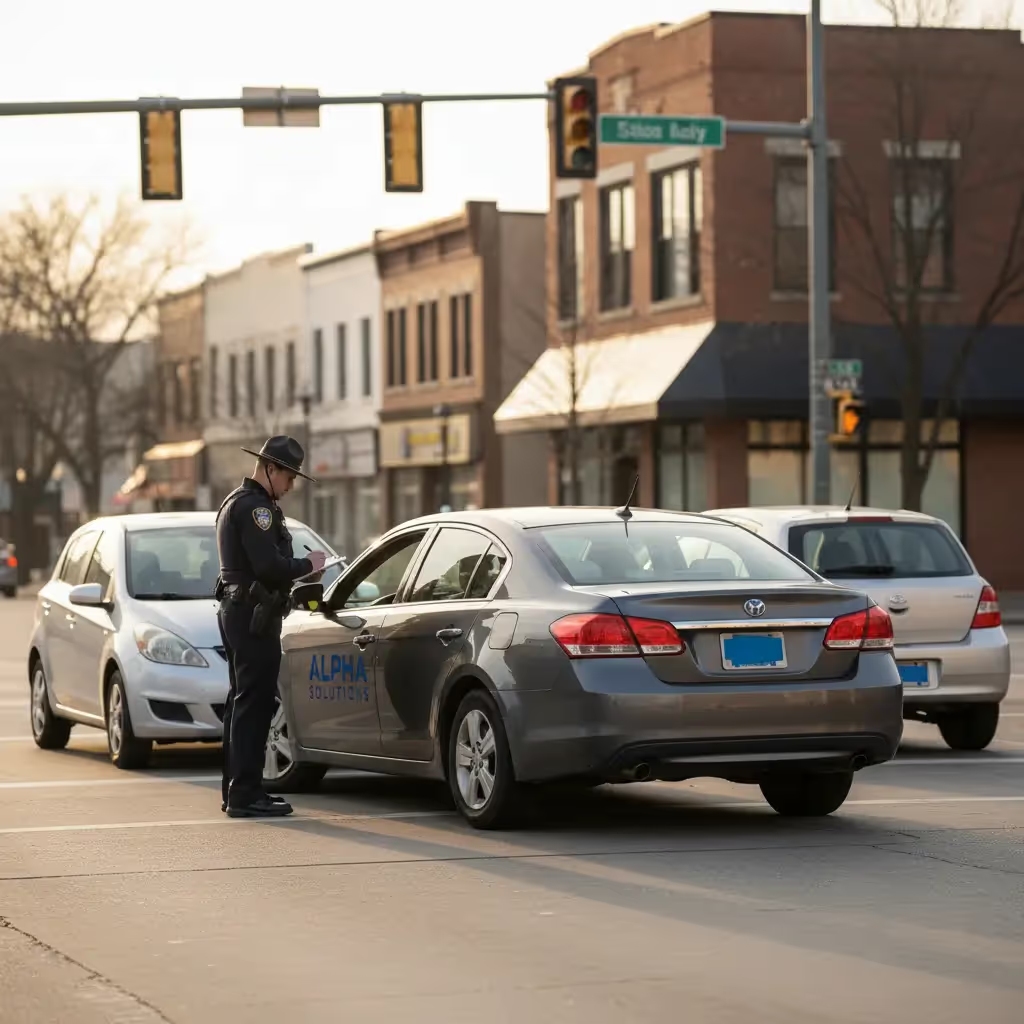
A police crash report often starts with a routine response to a company vehicle accident at an intersection.
TL;DR
- The police crash report is the first document that many insurers and law firms for car accidents ask for.
- Company vehicles can bring extra layers: multiple insurers, corporate policies, and state reporting rules.
- Step one is figuring out which agency (city police, sheriff, highway patrol, etc.) actually holds your report.
- You can contact agencies one by one, or use a service like Accident Report Help to locate and request the report for you.
- Having the correct report early makes conversations with any attorney for car insurance claims faster and clearer.
Why the police crash report matters
A police crash report (often called a traffic collision report or accident report) is the official write‑up created by the responding officer. It usually includes:
- names and contact details for drivers, passengers, and witnesses
- vehicle and insurance information
- a diagram of the crash scene and impact points
- road conditions, weather, and lighting
- citations or suspected violations
- the officer’s narrative or opinion on what happened.
For most company vehicle crashes, the police crash report is the one document everyone asks for—insurers, employers, and lawyers.
Insurers lean on the report to decide liability and coverage questions. Many personal-injury and auto accident lawyers review it early to decide whether they can help and how strong a case might be. Even internal safety teams use it for training and claims tracking.
That’s why getting the correct report—from the right agency, for the right vehicle—matters so much when company assets and jobs are on the line.
What makes a company vehicle crash different?
A simple fender‑bender between two personal vehicles usually involves just two drivers and their insurers. A crash in a company car can pull in:
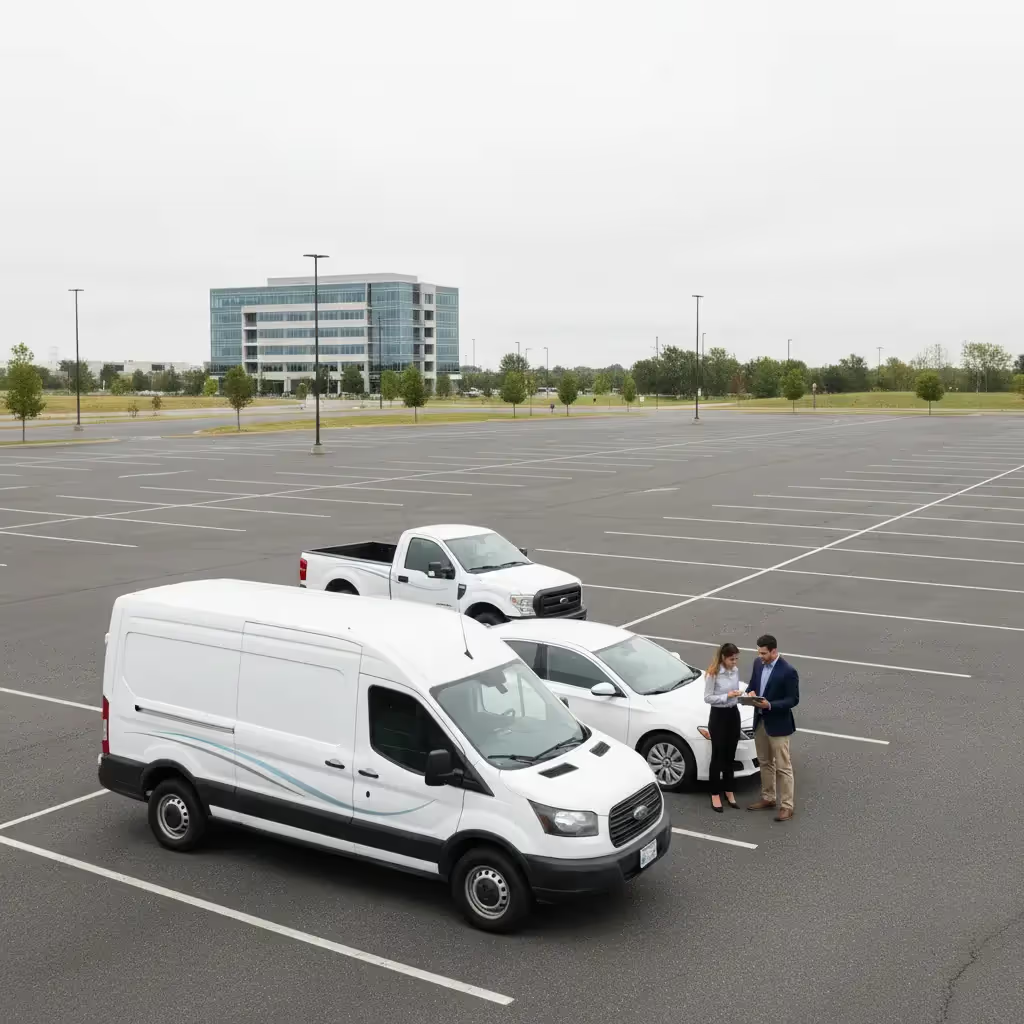
Company vehicle crashes can involve fleets, employees, and multiple insurance policies.
- the employee who was driving
- the employer or fleet owner
- a commercial auto insurer (sometimes more than one)
- workers’ compensation coverage
- third parties, like a contracted delivery service or staffing agency.
A company vehicle accident lawyer will look closely at the police report to sort out who may be responsible, which policies might apply, and whether there are any red flags (like conflicting statements, missing witnesses, or questions about vehicle maintenance).
If you manage a fleet, HR, or risk, the report is also your record for internal investigations and compliance. For commercial trucks and buses, that can connect to federal safety rules from agencies such as the Federal Motor Carrier Safety Administration (FMCSA).
Step 1: Figure out which police agency has your report
One of the biggest headaches after a business‑related crash is this very basic question: who actually wrote the report? Depending on where the crash happened, it might be:
- a city or town police department
- a county sheriff’s office
- state police or highway patrol
- a tribal agency or special jurisdiction (campus, transit, port police).
To narrow it down, start with what you already know. Helpful details include:
- the city and county where the crash occurred
- whether it happened on a local street, county road, or state highway
- the name on the officer’s shoulder patch or business card, if the driver kept it
- any incident or case number given at the scene.
Many states list which agencies handle which roads on their official sites or through state motor vehicle resources. Still, crashes on borders, interstates, or in big metro areas can shuffle jurisdiction in ways that surprise people.
This is one reason services like Accident Report Help exist: our team looks at the crash details you provide and tracks down which police, sheriff, or highway patrol office is holding the report, even when you don’t have a case number.
Step 2: Request the report without chasing every department
Option A: Contact agencies one by one
If you’d like to handle the request yourself, you can go agency by agency. Most departments explain their process on their websites, and some partner with third‑party portals such as National Highway Traffic Safety Administration–linked resources or regional report vendors.

Many HR, fleet, and legal teams request police crash reports online using basic crash details.
Typical information you may need to provide includes:
- date of the crash (or a short date range)
- city or highway and nearest cross street or exit
- driver’s full legal name
- company name on the vehicle or commercial plate number
- VIN or license plate, if available
- incident or report number, if you were given one.
Most agencies charge a small fee and may take anywhere from a few days to several weeks before the report is released, depending on local law and whether any investigation is still open.
Option B: Let Accident Report Help do the legwork
Many employers and law offices are short on time. That’s where Accident Report Help comes in. Instead of calling or checking multiple portals, you submit a short form with the basic facts you have—names, date, location, and any case number if you have it.
Our team then:
- figures out the likely agency or agencies
- files the request with the correct department
- tracks status, including when the report is not yet ready
- emails you a certified PDF copy once it’s released.
You only pay the official fee required by the agency plus our service charge, with a money‑back guarantee if the report cannot be released. For HR teams, insurers, and law offices that request reports often, that can free up hours each month and reduce the risk of missed deadlines.
Ready to get a report for a company car or fleet crash now? Find My Report
How lawyers and law firms for car accidents use crash reports
When you first speak with a company vehicle accident lawyer, one of the first questions you’re likely to hear is, “Do you have the police report yet?” That document helps them:
- Identify all drivers, owners, and insurers involved
- Spot witness names and contact details before people move or change numbers
- Review any citations issued and the officer’s observations
- See diagrams, measurements, and road conditions
- Check whether commercial markings, cargo, or special permits are noted.
Many law firms for car accidents also use the report to request additional records—like body‑cam footage, dash‑cam video, or 911 audio—if those details matter for the case. The report is rarely the whole story, but it is the anchor for most early legal decisions.
If you already have a lawyer, sending them a clean digital copy of the report (rather than a blurry photo) lets them search, print, and share it with insurers and experts more easily.
Working with an attorney for car insurance claims

Company vehicle accident lawyers rely on clear documentation, including the police crash report.
Not every company car crash turns into a lawsuit, but many do involve negotiations with commercial auto insurers. Some employers and injured workers bring in an attorney for car insurance claims to help sort through coverage questions or disputes about fault and damages.
Having the correct police crash report ready before that conversation can help you:
- Give the lawyer clear facts, not just memories
- Spot errors in vehicle information or contact details
- Understand how the officer described what happened
- Clarify whether any tickets were issued and to whom.
When you meet with a lawyer about a company vehicle crash, it helps to bring:
- The police crash report (or your Accident Report Help confirmation if it’s still pending)
- Photos or videos of the scene and vehicles
- Insurance cards and any claim numbers
- Employment or fleet information showing who owned/leased the vehicle
- Medical visit summaries or bills, if anyone was hurt.
That way, the attorney can spend time on strategy instead of chasing basic paperwork.
FAQs about company car and fleet crash reports
Do I need a separate report for each company vehicle?
In most cases, no. A single police crash report lists all vehicles involved in the same incident. If your fleet had more than one vehicle in related crashes (for example, a secondary collision up the road), there may be multiple reports with different case numbers.
Can an employer or fleet manager request the report, or only the driver?
This depends on state law and agency policy, but employers, insurers, and attorneys are often allowed to request copies when one of their vehicles or employees is involved. Some departments limit who can see sensitive information; others provide a redacted version for non‑parties.
How long does it take for the report to be ready?
Many agencies finalize reports within a week or two, but serious or multi‑vehicle crashes can take longer. If you request through Accident Report Help, we keep an eye on status and let you know when the report is released or if the agency needs more time.
What if the report has mistakes?
Officers are human, and things like spelling errors, missing digits in a VIN, or incorrect insurance details happen. Talk with your insurer and, if you have one, your lawyer about the best way to address any mistake. Some departments have a simple supplement form; others handle corrections through the officer’s supervisor.
Key takeaways & next steps
If you remember nothing else, remember this simple “3‑A checklist”:
- Agency: Identify which law enforcement agency holds the report.
- Access: Request the report directly or through a trusted retrieval service.
- Accuracy: Read it carefully and share it with insurers and any lawyer you hire.
Accident Report Help was built for moments exactly like this—when you need a police crash report for a company car or fleet crash, but you don’t have time to chase multiple departments or figure out which portal to use.
When you’re ready, you can start a request in a few minutes: Find My Report
Legal disclaimer
This article is for general informational purposes only and is not legal advice. Accident Report Help is a private report‑retrieval service, not a law firm or government agency. Laws vary by state, and your situation may be different from the examples described here. For legal advice about a company vehicle crash, speak with a licensed attorney in your state.