
Colorado Car Accident Report
If you’re trying to get your accident report and the process feels unclear, you’re not alone. Most delays happen because the wrong agency is contacted, the details don’t match what the records unit needs, or the request is missing one small piece that keeps resetting the process.
AccidentReportHelp, helps Colorado drivers and passengers request police crash reports the right way. Start with a quick review of what you know (date, location, agency if known), and we’ll point you to the cleanest next step to request the report without extra back-and-forth.
230+
Reports Found Last Month
5K+
Satisfied Clients
98%
Project Success
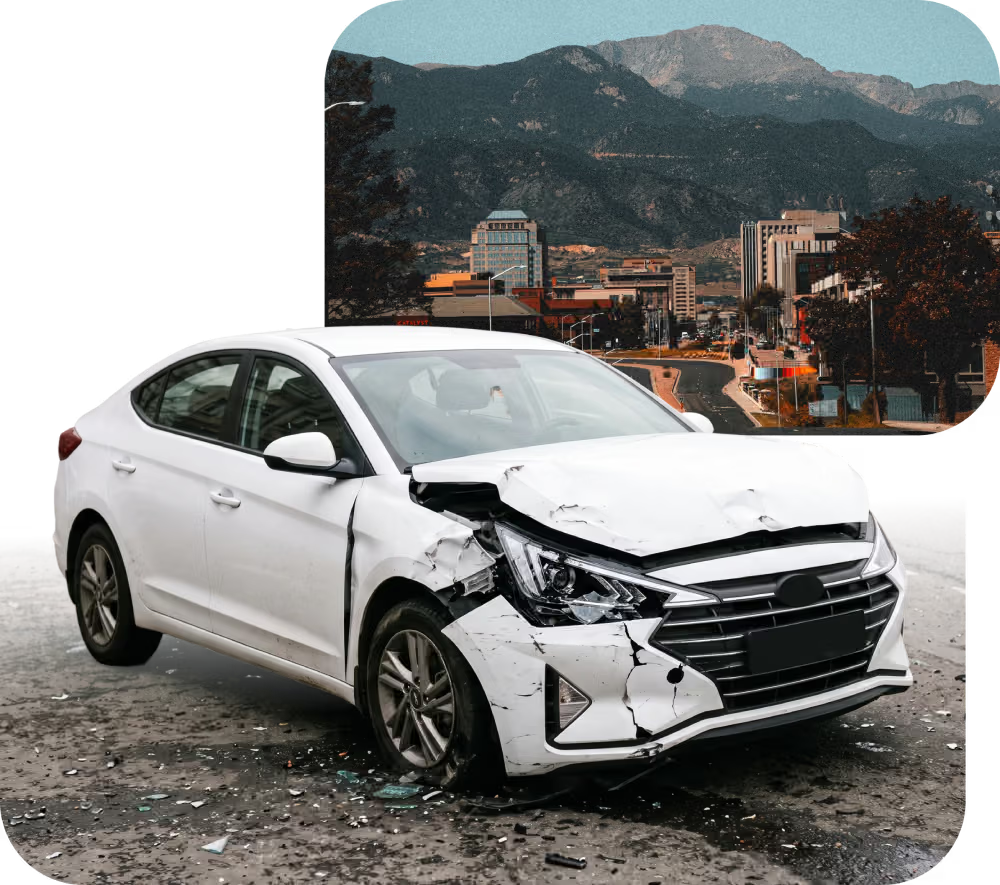
Where We Help Most in Colorado
You don’t need everything to begin. These basics help us understand the situation quickly and guide the next step without delays or repeated requests.
Official police crash report
01
A complete digital copy from the correct agency—local police, county sheriff, or State Police. Easy to store, download, or share during follow-ups.
Note from issuing office
02
A short reference showing which department documented your accident. Useful if you ever need additional records or another copy.
Key points for claim checks
03
Small highlights often reviewed by insurance teams during claim work. Helps you move faster through questions or claim stages.
Simple next-step tips
04
Short guidance on how drivers typically use their crash report. Gives you direction when preparing for insurance or legal conversations.
Injury Crash Report Notes
05
If you visit a clinic later, save the visit date so it lines up with an injury crash report follow-up.
Contact info for local agency
06
Direct details for the department that produced your report. Useful for future updates or if you need agency verification.
Start With the Basics and Save Time Later
The basics
Date and approximate time, location or nearest intersection, photos you took at the scene (optional), names involved if known, and a short note on what happened.
Report details (if you have them)
Report number, responding agency name, officer name (if known), and any emails or texts you received after the incident. If you don’t have these yet, start anyway.
Your timeline
A simple timeline of what you’ve already done: calls made, portals searched, emails sent, and any responses you received. If someone else is requesting the report too, note that as well.

Why Colorado Accident Reports Get Delayed
Most problems don’t happen because the crash didn’t occur. They happen because the request doesn’t match how the report was filed, the wrong agency is contacted, or the report hasn’t been released to the portal yet. The goal is to tighten the request details and remove the common blockers.
Reduce repeat requests
When everything is in one place, you can respond quickly if the records unit asks for clarification instead of restarting the process.
Match your details to the report record
Small differences matter: date format, street spelling, driver name formatting, or the exact location field used by the system.
Keep a clean paper trail
Useful if you need to show what you submitted, when you submitted it, and what response you got back (especially if you’re trying to get accident report without more delays).
A Clear 3-Step Colorado Plan
Find My Report
This keeps your request clean from day one and reduces the “start over” cycle. It also makes the next move obvious if the report is taking longer than expected.
01
Capture the key details
Write down the date, approximate time, location, and who responded if you know. Save any confirmation messages, reference numbers, and screenshots of searches you already tried.
02
Lock the agency and request path
Identify the most likely agency and the correct records request method (portal, email, in-person, or third-party system). This is where most people lose time.
03
Get a clean next step
We review what you have, tell you what’s missing, and guide the next action if the report is not showing up yet or your request was rejected.
When Colorado Report Requests Need Support
Not every situation needs help. But if you’re going in circles, a quick review can prevent wrong submissions and wasted time.

When Legal Guidance Can Be Helpful
Legal guidance may be useful if:
- You were injured, even if symptoms appeared days later
- Medical treatment or follow-up care was required
- There is uncertainty about how injuries are reflected in the accident report
- Fault or responsibility is unclear or disputed
- You’ve been contacted by an insurer and are unsure how to respond
- The accident involved multiple parties or unusual circumstances
Find My Report
How Accident Report Help Supports You
Our role is to help you:
- Understand how injuries are documented in accident reports
- Clarify how local laws may apply to injury-related situations
- Avoid common mistakes made after an accident involving injuries
- Understand your options before deciding on any next steps
Speaking with our team does not obligate you to take legal action. The goal is clarity first — particularly when injuries are involved — so you can move forward with confidence.
Find My Report

Quick Answers Before You Start in Colorado
Most report requests begin with the same few questions. These quick answers help you know what to gather and what to do next before the process drags out.


What if I don’t have a report number?
That’s fine. Start with the date, location, and the agency you believe responded (if known). If you have any text/email confirmation from the scene or later, screenshot it. Report numbers can be added once you get them.
Lock the agency and request path
Identify the most likely agency and the correct records request method (portal, email, in-person, or third-party system). This is where most people lose time.
What if my details don’t match exactly?
You can still start. Bring what you know and we’ll help you choose the best matching fields. Small differences are common, especially with time ranges, intersections, or name formatting.

Why People in Colorado Start Here
Report requests slow down when details are scattered and the system doesn’t match what you typed. We help you tighten the request, pick the right path, and avoid the repeat-submit cycle.
Colorado Report Request Flow From First Call to Next Step
If you’re short on time, this is the simple process. You share the basics, we review what’s missing, then you get a clear plan for the next step.
Step 1

Send what you have
Share the date, location, what happened, and any updates you already received (confirmation text/email, reference number, screenshots of portal searches). If details are missing, that’s okay.
Step 2

We sort the request path
We help identify the likely agency and guide how to enter details so they match the filing record. You’ll know what to try next and what to stop doing.
Step 3
You move forward with clarity
If the report isn’t available yet or the request was rejected, we guide the next move and help keep the request consistent so the process doesn’t keep resetting.
Missing Details Don’t Stop You From Getting Started
Most people are piecing things together after a crash. These common gaps are normal, and they don’t block a request.
If you don’t have a report number
Start with the date, location, and the agency you believe responded (if known). Add screenshots of any confirmation message or portal searches you tried. Report numbers can be added later.
Save every confirmation message and screenshot in one folder.
Date + Exact Spot
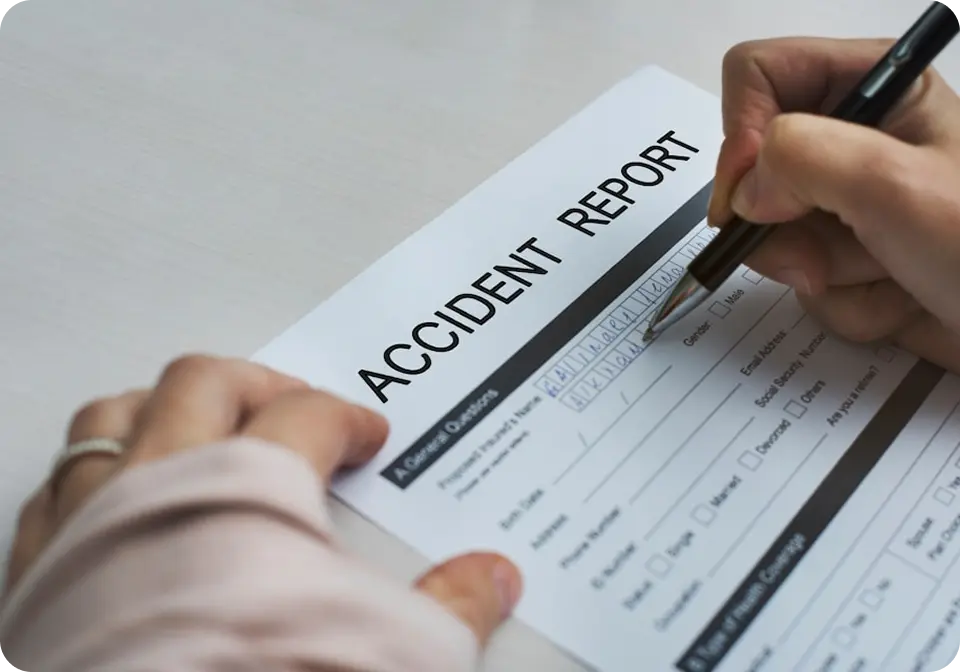
If the system results don’t match what you entered
Sometimes the report is filed under a slightly different location field, name formatting, or time window. Bring the details you have, and we’ll help you choose the best matching entries and what to try next.
Keep your date/time range notes and location spelling consistent.
Recorded Spelling

Colorado File Checklist You Can Use Today
This checklist keeps your information in one place and makes it easier to explain the situation clearly. It also helps you avoid repeating steps if the report isn’t available yet.
Delivered free of charge
Grab What Matters
Quick Use Checklist

Crash basics
Date, time, and exact location (street/intersection)
Findings
Contributing factors and any citations (if issued)
People + vehicles
Driver names and vehicle details (plate, make/model)
Impact notes
Injuries, damage summary, and listed witnesses/parties (if included)
What happened
Officer narrative and crash diagram
What Clients Say About Our Reporting Services

Accident Report Help came through for me when I needed it most. They handled my request with care and urgency, and the communication was outstanding. Definitely worth it.
I didn't even know where to start after my accident, but this site made it so easy. I filled out the form, and within 24 hours I got a detailed response and had access to my police report. Fast, professional, and stress-free!
Accident Report Help came through for me when I needed it most. They handled my request with care and urgency, and the communication was outstanding. Definitely worth it.
As a lawyer, l've recommended this service to several clients. It's reliable, secure, and gets results faster than going through public channels. A great resource when time
Accident Report Help came through for me when I needed it most. They handled my request with care and urgency, and the communication was outstanding. Definitely worth it.
I didn't even know where to start after my accident, but this site made it so easy. I filled out the form, and within 24 hours I got a detailed response and had access to my police report. Fast, professional, and stress-free!
Accident Report Help came through for me when I needed it most. They handled my request with care and urgency, and the communication was outstanding. Definitely worth it.
As a lawyer, l've recommended this service to several clients. It's reliable, secure, and gets results faster than going through public channels. A great resource when time
Frequently Asked Questions
Find answers to common queries quickly with our comprehensive FAQ section.
Do you charge anything upfront?


What types of car accident issues can you help with in Colorado?
How long does it take to resolve a car accident claim?
Should I give the insurance company a recorded statement?
What if the insurance offer is lower than my repair costs?
What should I bring if my claim was denied?
What does “under review” usually mean?
Can I start without a claim number?
Get Your Colorado Report Saved
If you know the crash date and where it happened, you’re already close. Find the record, save a clean copy, and keep it ready for insurance, repairs, or any follow-up questions later.